Weight and diet
Diet and menopause
The NHS and the British Menopause Society treat midlife eating as one balanced pattern for bones, heart and weight, built from protein, fibre, calcium and vitamin D. Where the aim is weight loss, that pattern goes with aerobic exercise and resistance work.
The NHS says eating well, exercising and looking after your mental wellbeing can help with symptoms and with your health in later years (NHS: things you can do). To see why weight changes at this age, and what the trials found, read menopause weight gain and belly fat.
A perimenopause diet starts while you are still having periods
A perimenopause diet applies while you are still having periods. A Women's Health Concern factsheet, published with the British Menopause Society, calls that transition a good time to review your diet. Simple changes can support your bones, your heart and your digestion, and they can help with some symptoms (Women's Health Concern: nutrition in menopause).
Bones, the heart and digestion are all on that list, so the review takes in meals across the day, symptoms included. If you are unsure which stage you are in, the perimenopause or menopause stage checker asks for your age and the date of your last period. The perimenopause guides explain how this stage is recognised while periods continue.
A menopause diet for your weight and your waist
A diet for menopause weight loss starts from the way you eat now. Clinician guidance from the society describes a safe, maintainable loss as a daily deficit of about 500 kcal, about 3,500 kcal over a week, together with regular aerobic exercise and resistance work (British Menopause Society: tools for clinicians). That deficit comes from eating less than you do now, and you keep the change going along with the exercise. The clinician note treats this as a steady loss, one you can stick with. For the trial evidence on hormone therapy and weight, read does HRT cause weight gain?.
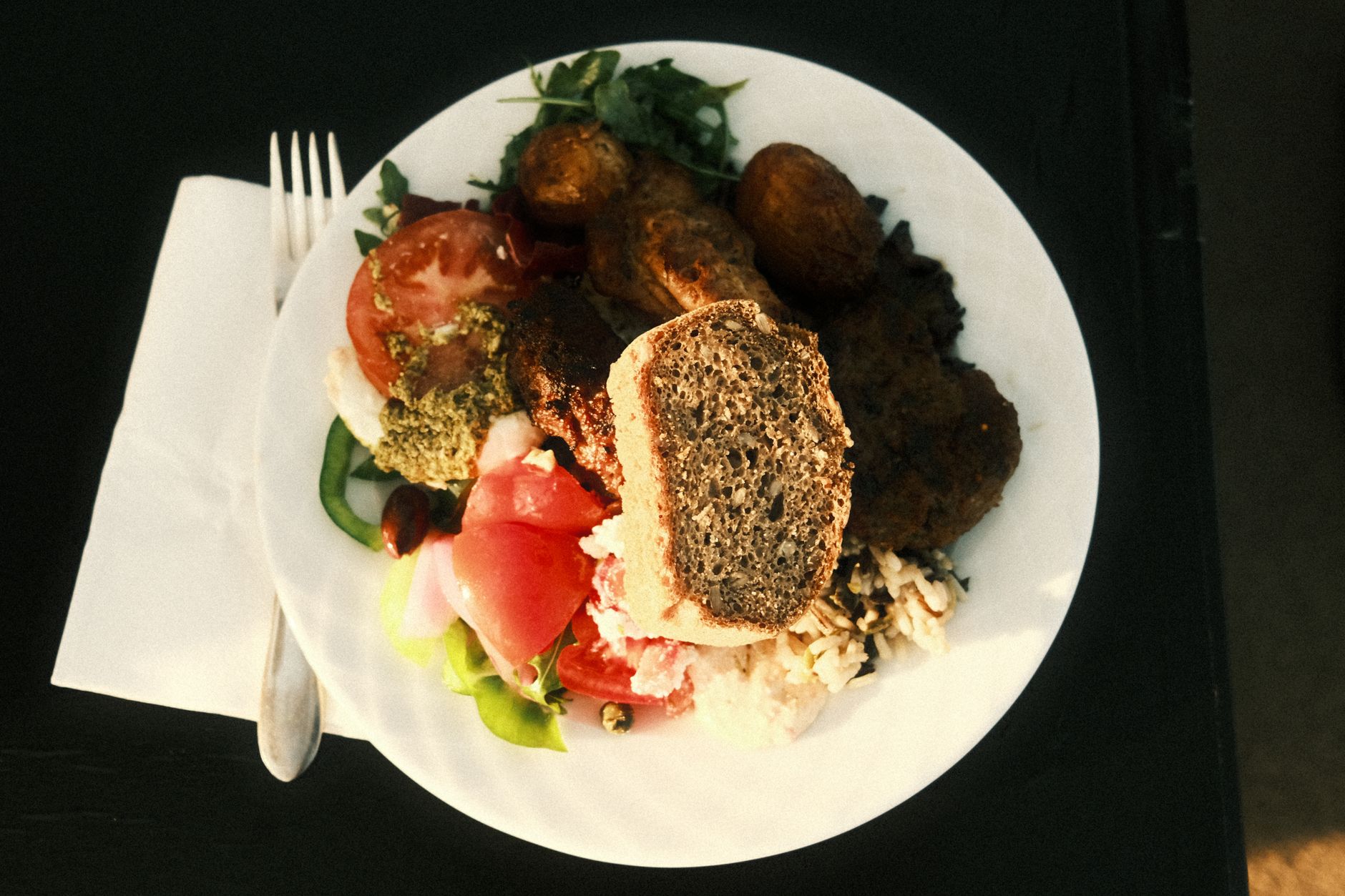
The society's weight tips build each meal as one quarter protein, one quarter carbohydrate, and half fruit, vegetables or salad (British Menopause Society: nutrition and weight tips). Follow that split at breakfast, lunch and dinner. Following those proportions at each meal is what this menopause diet looks like in practice. Wholemeal bread or brown rice can fill the carbohydrate quarter. The Women's Health Concern sheet also names pulses, and five portions of fruit and vegetables, as ways to raise fibre. UK guidance is 30 g of fibre a day for adults.
The same sheet caps free sugars at 30 g a day. Free sugars are sugars added to food and drink. Sugars that are part of whole fruit, and the sugars in milk, fall outside that limit.
Those tips call regular resistance training with weights the most efficient way to build muscle, raise metabolic rate and change your shape. Popular diets are left off unless the evidence for lasting weight loss is strong enough to recommend them. Other guides on eating at this stage are in the weight and diet topic.
What to eat for bone strength after menopause
For several years after menopause, bone is lost more quickly. The NHS explains that the ovaries almost stop making oestrogen, and that oestrogen protects bone (NHS: food for strong bones).
Adults need 700 mg of calcium a day. That page lists dairy, leafy greens other than spinach, fortified plant milks, tofu, and fish with edible bones. The menopause self-help page names milk, yoghurt and kale, in a diet with plenty of vegetables and fruit (NHS: things you can do).
Adults need 10 micrograms (400 IU) of vitamin D a day. The NHS suggests considering a daily supplement in autumn and winter, because there is often too little sunlight then to make enough. These same adult amounts apply during menopause. Calcium in your meals, summer sunlight, and a supplement in the darker months help slow bone loss.
HRT can also reduce the risk of osteoporosis. The NHS lists it together with diet, exercise and giving up smoking. For what the treatment is and how it is taken, read hormone replacement therapy for menopause.
Diet during menopause and your heart
Eating for your heart during menopause follows the UK advice on food and activity used at other ages too. NICE's menopause guideline says clinicians should not prescribe combined HRT or oestrogen-only HRT in order to look after the heart (NICE menopause guideline). Figures for extra cases of breast cancer, clots and stroke per 1,000 women are in HRT risks in plain numbers.
For people at high cardiovascular risk, NICE guideline NG238 points clinicians to the NHS Eatwell Guide, to the fat limits set out there, and to activity that strengthens muscle, along with advice on smoking and alcohol (NICE NG238). At this stage, eating for your heart means following that standard UK guidance. That activity is the same kind of work as the resistance exercise above. NICE asks clinicians to explain it in menopause care, because staying active is how you hold on to muscle.
NICE CKS describes a diet lower in saturated fat and salt, and richer in calcium and vitamin D (NICE CKS: managing menopause). NG23 also asks clinicians to explain why regular activity matters for strength.
One ordinary day
Breakfast is yoghurt and fruit with a slice of wholemeal bread. At lunch, cover half the plate with vegetables or salad, add pulses, and serve brown rice. In the evening, have tofu or fish with the bones left in, with kale and another portion of the rice or the bread.
Yoghurt, pulses, tofu and fish are already on the bone-health list, so you can rotate them as the protein at each meal. Those five portions a day are one practical step toward the fibre target.
Drinking less is part of the same lifestyle advice. NICE CKS recommends less alcohol along with giving up smoking, staying active, and a diet lower in saturated fat and salt.
My take
I would start with the protein quarter and with vegetables, fruit or salad on half the plate, at breakfast as well as at dinner. I would skip a product sold as a menopause blend until that habit is in place. I would take a vitamin D supplement in autumn and winter, and I would include resistance training each week. Food can slow bone loss. It cannot replace the oestrogen the ovaries stop making.
Sources
- Women's Health Concern: nutrition in menopause (September 2026)
- British Menopause Society: nutrition and weight tips (September 2026)
- British Menopause Society: tools for clinicians on nutrition and weight (September 2026)
- NHS: menopause and perimenopause, things you can do
- NHS: food for strong bones
- NICE guideline NG23: recommendations
- NICE CKS: managing menopause, perimenopause or premature ovarian insufficiency
- NICE guideline NG238: recommendations
Comments
No comments yet. Questions and your own experience are welcome.
Thank you. Your comment will appear once it has been reviewed.