Weight and diet
Menopause weight gain and belly fat
Many women gain weight in menopause and notice it first around the waist. The Menopause Society states there is no scientific evidence that menopause or hormone therapy is responsible for midlife weight gain.
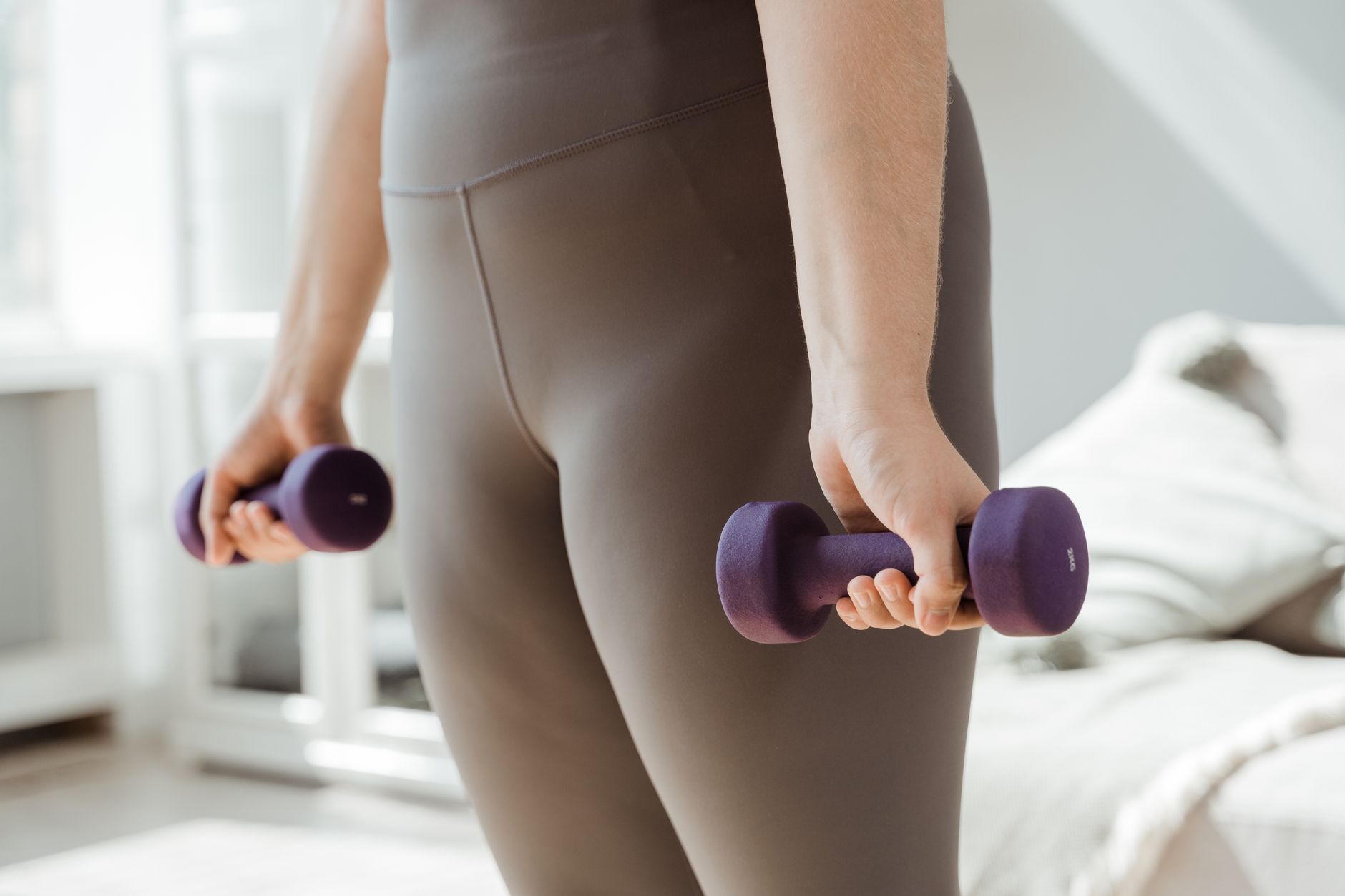
The Menopause Society names ageing and lifestyle as the drivers of midlife weight gain, and it ties menopause to body composition and fat distribution (The Menopause Society: changes in weight and fat distribution).
Why weight gain in menopause feels different from your 30s
The scales and the waist do not always move together. NICE says weight gain at this stage is unlikely to come from perimenopause or menopause alone. Hormonal, lifestyle, genetic, environmental and other factors are all involved (NICE CKS: differential diagnosis).
The NHS lists being menopausal or perimenopausal among the factors that can make it harder to stay at a healthy weight (NHS: overweight and obesity).
NICE asks clinicians to explain why muscle mass and strength matter. They are maintained through physical activity, and limited evidence suggests HRT may improve both (NICE CKS: managing menopause).
Menopause belly fat: what actually changes
The NHS symptoms page says weight gain during perimenopause and menopause is common, and that it is often around the stomach and upper body (NHS: menopause symptoms).
A Barnsley NHS eating guide explains how body shape changes. Changing hormone levels increase the amount of fat stored around the waist, and that waist fat raises cholesterol, blood pressure and the risk of developing diabetes. Much of the midlife gain is also linked to ageing (Barnsley NHS: eating well in menopause).
The Menopause Society's MenoNote on midlife weight says menopause redistributes fat, often increasing abdominal fat (MenoNote: weight gain). On the society's weight page, perimenopause is linked, independent of age, to more abdominal fat and less lean mass, with a possible shift from a pear-shaped body to an apple-shaped one. Further study is needed on the exact role of menopause in body composition.
Does HRT cause weight gain?
The NHS says there is little evidence that most types of HRT make you put on weight. Weight may increase during menopause and with age whether or not you take it. The same page says regular exercise and a balanced diet should help you manage your weight on HRT (NHS: side effects of HRT).
The Menopause Society's patient page on hormone therapy says hormone therapy is not associated with weight gain, and that it may lower the chance of developing diabetes (The Menopause Society: hormone therapy). The MenoNote states that hormone therapy is not a weight-loss treatment.
A Cochrane review found no evidence that oestrogen alone, or oestrogen with a progestogen, affects body weight or the rise in BMI usually seen at menopause (Cochrane review CD001018). Our guide on HRT and weight covers the trial results, how early bloating differs from fat, and when a prescriber reviews the prescription.
The 2022 position statement adds a narrower finding. Hormone therapy may slightly reduce how much abdominal fat builds up during the transition. The statement calls that effect small. Women using it showed no clear difference in how their weight changed over time compared with women who did not (The Menopause Society, 2022 hormone therapy position statement). If you are considering HRT because of symptoms, and the scales are a separate worry, the hormone therapy guides cover the forms and the risks.
Peri-menopause weight gain: timing and what to expect
Peri-menopause weight gain can show on the scales while you are still having periods. The perimenopause guides cover how this stage is recognised and how treatment is chosen while cycles continue.
The 2022 position statement gives an average rate of weight gain for these years. After the authors controlled for body size and ethnicity, average weight gain during midlife and the menopause transition was 1.5 lb a year, with fat stored more centrally after menopause.
Many women have hot flushes and night sweats in the same years as this weight change. That same NICE page lists regular exercise and weight loss, where it applies, among measures that may help, along with lighter layers, less stress and avoiding personal triggers. Extra weight is linked with those symptoms, and losing some of it may mean the flushes come less often. Waking from night sweats is covered in the sleep guides.
It is reasonable to feel fed up when the meals and walks that used to keep your weight steady no longer do.
What helps: food, movement and a weight you can maintain
The British Menopause Society says good nutrition and an active lifestyle remain the cornerstone of a healthy menopause, and that weight gain affects at least half of women (British Menopause Society: nutrition and weight gain).
On muscle, the same guidance is specific. It calls regular, consistent resistance exercise the most efficient way to increase muscle mass and metabolic rate. For weight loss you can keep up, it describes a daily deficit of about 500 kcal, along with aerobic exercise and resistance training. The weight and diet topic also covers eating for bones and for energy.
The NHS self-help page recommends weight-bearing exercise such as walking, running or dancing, resistance exercise such as weights, a healthy balanced diet, and maintaining a healthy weight (NHS: things you can do).
When to see your GP about weight gain with menopause
Because NICE treats the cause as mixed, a routine GP appointment is the right next step when the gain is sudden, when new symptoms arrive with it, or when weight is affecting your mood or your joints. If several menopause symptoms are part of the same visit, print the menopause symptom checklist for your GP and take it in.
The NICE page on differential diagnosis, linked earlier, is written for clinicians. It asks them to weigh the wider mix of causes.
If clothes feel tighter after a new HRT prescription and you are unsure whether that is fluid or fat, read the guide on HRT and weight before the appointment. HRT and any weight-loss medicine are decisions to make with the prescriber who knows your history.
My take
I would start with regular resistance exercise, the step the British Menopause Society singles out for muscle. I would take on a calorie deficit from that guidance only if I could sustain it for months. I would base a decision about HRT on symptoms. If the gain is rapid, or it comes with new symptoms, I would book a GP appointment and take a written list.
Sources
- The Menopause Society: changes in weight and fat distribution
- The Menopause Society: MenoNote on weight gain
- The Menopause Society: hormone therapy
- The Menopause Society: 2022 hormone therapy position statement
- NICE CKS: menopause differential diagnosis
- NICE CKS: managing menopause, perimenopause or premature ovarian insufficiency
- NHS: menopause and perimenopause symptoms
- NHS: things you can do
- NHS: overweight and obesity
- NHS: side effects of HRT
- Barnsley NHS: eating well in the menopause
- British Menopause Society: menopause, nutrition and weight gain (June 2023)
- Cochrane: hormone replacement therapy and body weight
Comments
No comments yet. Questions and your own experience are welcome.
Thank you. Your comment will appear once it has been reviewed.