Hormone therapy
HRT medicines by name
Hormone replacement therapy drugs in the UK usually contain estradiol, plus a progestogen if you still have a womb. The medicine may be a tablet, a patch, a gel, a spray, or both hormones in one product. The generic name on the label is often estradiol or progesterone.
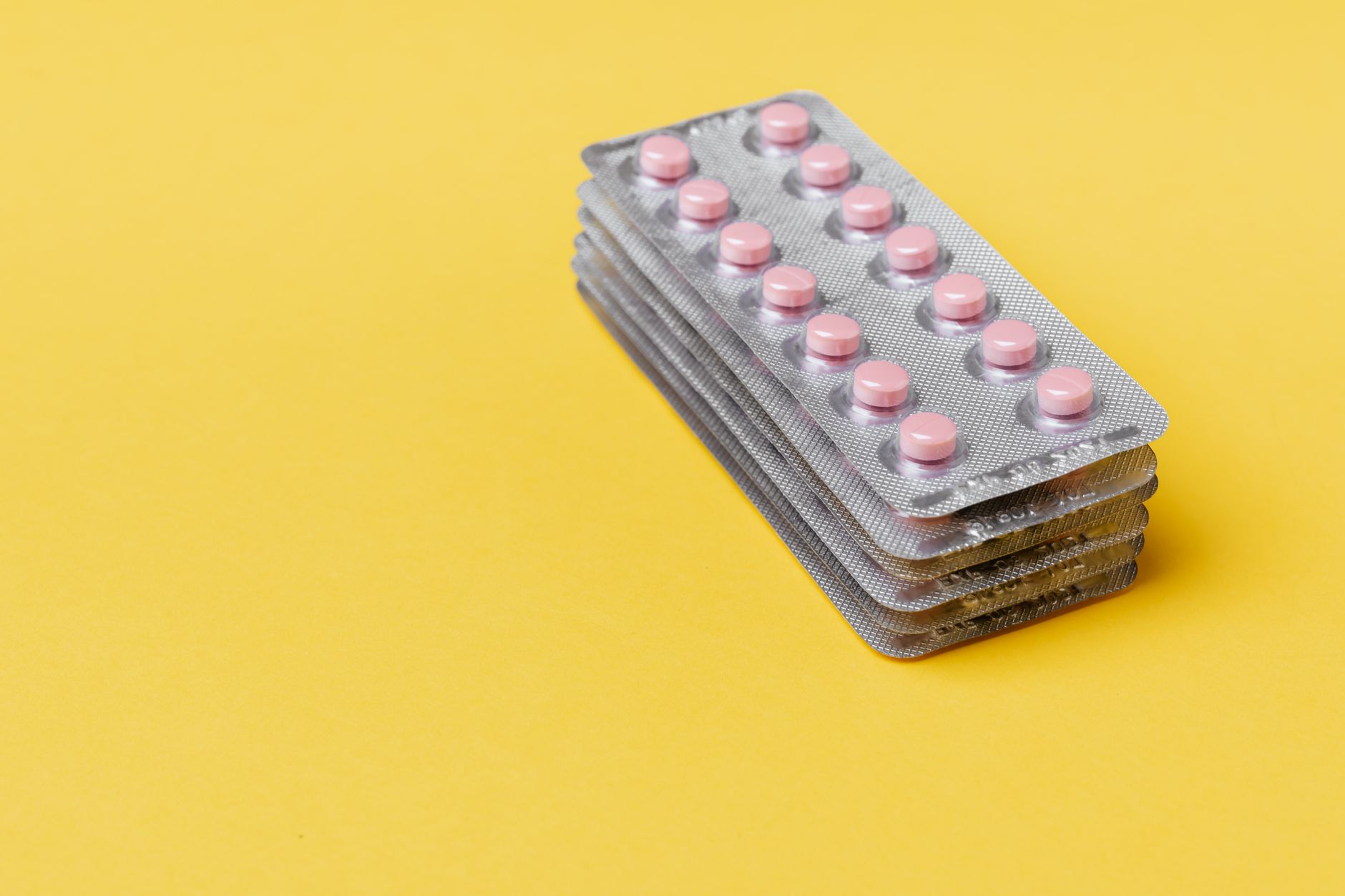
What the names on your HRT mean
The NHS page on oestrogen tablets, patches, gel and spray names estradiol as the type used most often. You can take it as a tablet, a patch, a gel or a spray. NHS common questions about the same medicine say that this estradiol comes from plants and matches the oestrogen the ovaries produced.
If you still have a womb, systemic oestrogen is paired with a progestogen, because oestrogen can thicken the womb lining. The progestogen might be a separate capsule, included with the oestrogen, or released from a hormonal coil. After a hysterectomy, oestrogen on its own is an option. UK products may contain oestrogen, progestogen, or both. A specialist sometimes adds testosterone, which is not licensed on its own for menopause symptoms (NHS: types of HRT).
The prescriber chooses the product. Read together, NHS medicine pages and the NHSBSA certificate list name these hormone replacement therapy drugs. Each one is grouped by the hormone in it and by how you take it. The guide to what HRT is, and the forms it comes in, explains who the treatment suits. The other guides are filed under hormone therapy.
How to read a UK prescription label
The NHSBSA list shows which medicines an HRT prescription prepayment certificate can cover. It runs A to Z by product name, and that name is the brand the maker gives the medicine. A generic prescription, which names the active ingredient, is covered when that ingredient is on the list.
Evorel and Oestrogel are brand names. Estradiol is the active ingredient in those gels and in estradiol patches. Progesterone on a label is the generic name. Utrogestan is one brand of micronised progesterone.
Some oestrogen brands are similar enough to switch, especially when a product is in short supply. The NHS common-questions page says a GP or a pharmacist should advise you before a switch. If the brand you were prescribed is out of stock, ask them what can be dispensed. The guide to NHS prescription charges and the HRT prepayment certificate explains what the certificate covers, and when an ordinary NHS prescription charge still applies.
Oestrogen-only medicines by route
The HRT tablet names on the NHS oestrogen page are Elleste Solo, Bedol, Progynova and Zumenon. Blood clots are more likely with tablets than with patches, gel or spray. The overall risk is still small.
Patches on that page are sold as Evorel, Estradot, Estraderm, FemSeven and Progynova TS. Progynova tablets and Progynova TS patches are part of the same range, so the label should say which one you were given.
Oestrogel and Sandrena are the gels. Lenzetto is an estradiol spray for the skin. In the UK, these are the HRT brands the NHS names for gel and spray, and the tablets and patches on that page are estradiol as well. Premarin is conjugated oestrogen, and the NHS says it is used less often than estradiol.
You will see these oestrogen-only names when the progestogen is supplied separately, or when you do not need one.
Progestogen medicines alongside oestrogen
Utrogestan is micronised progesterone. You take it with a separate oestrogen if your womb has not been removed. On a 28-day cycle, the NHS describes two 100 mg capsules a day on days 15 to 26, or one capsule a day on days 1 to 25. Some people take a capsule every day, with no days off. Gepretix contains the same active ingredient, and it is on the NHSBSA list.
The NHS calls the Mirena coil a hormonal coil. It can supply the progestogen while you take oestrogen as a tablet, a patch, a gel or a spray. Nalvee is a brand of dydrogesterone tablets, and it is on the certificate list too.
Some products already include a progestogen with the oestrogen, so the pharmacy label shows a single name. How licensed estradiol and micronised progesterone differ from a compounding-pharmacy mix is the subject of bioidentical hormones.
Sequential combined brands
Sequential combined HRT, also called cyclical HRT, is usually for symptoms while periods are still happening, or within 12 months of the last period. You take oestrogen every day, and progestogen for 10 to 14 days of each 28-day cycle (NHS: sequential combined HRT).
The tablet brands on that page are Elleste Duet, Clinorette, Femoston, Novofem, Tridesta and Trisequens. The patch brands are Evorel Sequi and FemSeven Sequi. Elleste Duet contains both hormones and is taken in a cycle. Elleste Solo, named with the oestrogen-only tablets, is estradiol by itself.
The stage checker uses your age and the date your periods stopped. After that year, the usual prescription is both hormones taken every day.
Continuous combined brands
Continuous combined HRT is for after the menopause, once you have had no period for a year or more. Both hormones are taken daily, with no break. It is not suitable while periods are still happening, or before 12 months have passed since they stopped, because bleeding can become irregular (NHS: about continuous combined HRT).
The NHS index of continuous combined HRT names Evorel Conti, Kliovance, Kliofem, Femoston Conti and FemSeven Conti. Evorel Conti is the continuous patch. Evorel Sequi is the cyclical patch in that range. Femoston Conti is the continuous form of Femoston. FemSeven Conti is the continuous form of FemSeven Sequi. Elleste Duet Conti is the continuous tablet on the certificate list.
The same certificate list adds Angeliq (estradiol with drospirenone), Bijuve, also listed as Bijuva (estradiol with progesterone capsules), Indivina (estradiol valerate with medroxyprogesterone) and Estradot Conti patches. Length of treatment, and how a GP arranges stopping, are explained in the article on how long to stay on HRT, and how to stop.
Local vaginal oestrogen and other names
The NHS page on vaginal oestrogen lists Vagifem and Vagirux tablets, the Estring ring, Imvaggis pessaries, Blissel gel and Estriol cream. Gina tablets and Ovesse cream are on that page as well. You can buy Gina and Ovesse from a pharmacy. The other vaginal oestrogens need a prescription.
Very little vaginal oestrogen gets into the bloodstream, so you do not need a progestogen with it, even if you still have a womb. Intrarosa pessaries contain prasterone, and they are on the certificate list as a local product. The purpose of this local treatment is explained in the article on vaginal dryness and local oestrogen.
Livial is tibolone, a tablet taken once a day. On the NHS page about types of HRT, tibolone is described as similar to combined HRT, and as having a testosterone effect too. It is only for women who have gone more than a year without a period. A specialist may also prescribe testosterone. It is not licensed on its own for menopause symptoms. How that gel is used is described in testosterone for women in menopause. Products sold as natural, and options that do not use these hormones, are described in natural alternatives to HRT.
When a name is not on the certificate list
A GP may prescribe HRT medicines the certificate does not cover. The NHSBSA list names the menopause medicines licensed in the UK that this certificate pays for. A prescriber can still prescribe other HRT.
Evorel Gel is estradiol 1 mg/g, and each actuation delivers 500 micrograms. Oestrogel is a 0.06% gel, and each actuation delivers 750 micrograms. The Evorel patch is a different product from either gel.
If you change from a patch to a gel, a GP or a pharmacist sets the new dose. The NHS says some brands of oestrogen are similar enough to switch in that way, including during a shortage. The first appointment has its own article, how to start HRT with a GP. What happens in the weeks after you start is covered in the piece on how long HRT takes to work. A personal history, a gene, and family history are discussed in HRT and breast cancer.
These names come from NHS medicine pages and the NHSBSA list. Whether you start, stop or change a medicine is a decision for a GP or a pharmacist.
My take
I would read the generic name before the brand. Estradiol alone, estradiol with a separate progestogen, and both hormones in one product are three different prescriptions. Before I compared a tablet brand with a patch brand, I would ask whether the oestrogen is swallowed or applied to the skin, because tablets carry a higher risk of blood clots. One pump of Evorel Gel is not the same dose as one pump of Oestrogel.